
Category: Spring 2016-2017
Smith College's Moodle
Search results: 785
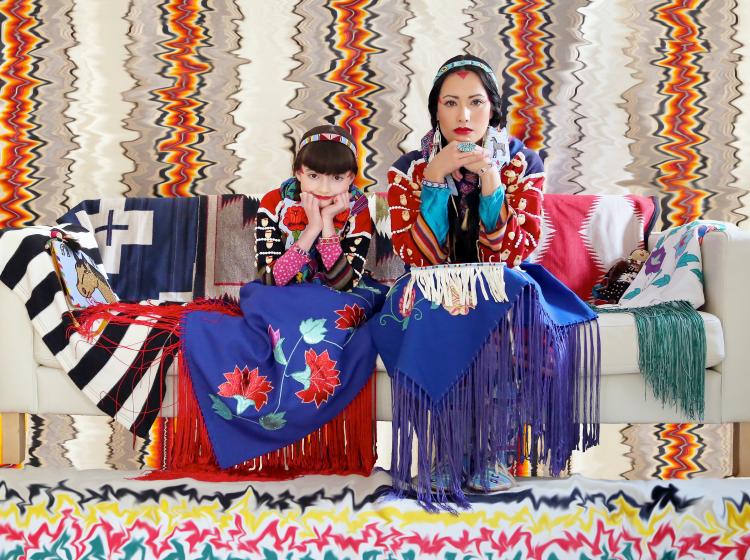
This course is an introduction to the interdisciplinary study of gender. Gender and sexuality, and their interconnectedness with race, ethnicity, citizenship, nationhood, age, and class collectively shape our individual experiences as well as the way we perceive and judge the experience of others. So much of gender and sexuality is attached to the body: what we are born with, the status of that biological body within a given country and/or culture, and the way we present our body within that culture. The primary goal of this course is to provide a forum for students to consider the history of gender as it is reliant on conceptions and constructions of sexuality and race in the U.S. Throughout the course, we will consider contemporary gender politics in light of histories of gender, racial, and sexual formations.
- Instructor: Gina Ocasion
Category: Spring 2020-2021
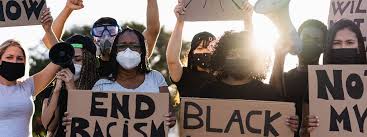
This interdisciplinary course considers issues of gender, race, sexuality, and class in the context of youth justice. Drawing on gender and sexuality studies, criminal justice and sociological literature, social critiques, policy papers, case law, documentary film, personal narrative, and literature, SWG 211 critically examines the history of the youth justice system in the United States, what it means to be in “the system”; the role of “justice” in the system; and: its major challenges, reformist and abolitionist critiques, and how girls—and young people of all genders--contest its confines, agents of resistance and change.
Our work together will explore the following questions, among others:
What are the lineages of “girls” in the criminal and juvenile legal systems, and how are these histories implicated in the present? What are the goals of these systems, whose interest(s) do they serve, and (how) do these yield gendered and racialized consequences? What role do related systems, processes, and institutions (such as immigration enforcement, foster care, and education) play in youth justice? How have movement, legal, and policy interventions influenced and shaped its trajectories? How do youth of all genders who are subject to the system contest its confines, demonstrating voice, vision, and agency? What other worlds are possible? Is reform in the interests of justice actionable, or is abolition the only way?
- Instructor: Adina Giannelli
Category: 2024 Fall Semester
- Instructor: Lisa Fontes
Category: 2025 Spring Semester
This course explores contemporary economic interactions through a feminist lens. This feminist exploration of the economic structures will allow us to bring to the forefront the historical nature of capitalism as a system that relies on the exploitation of specific racialized and gendered groups. At the same time, the notion of the transnational will take us a step further in this exploration, linking geographies of power at various scales (local, national, regional and global). Through this approach, we will be attentive to the heterogeneity of identities and experiences that take place across global economic structures, while developing a critical understanding of capitalism’s capacity to shape us as gendered and racialized subjects. Throughout the semester we will focus on exploring the division between production and reproduction and we will look into feminist understandings of debt and current economic labor configurations. At the same time, we will pay attention to the different ways through which locally and globally women are resisting, rejecting, and confronting these configurations and developing alternative processes grounded on solidarity and collectivity.
We will assess the alternatives proposed by global social movements, from micro-finance to worker-owned cooperatives to workers associations, to shed light on the cultural fabric of the global financial economy. Assignments include a time-labor mapping of our day; a community-based research project on local and global political movements, a short paper, class-led discussions, final reflection project & collaborative assessment.
- Instructor: Elisabeth Armstrong
Category: 2025 Spring Semester
- Instructor: Richa Nagar
Category: 2026 Spring Semester

On June 24, 2022, the U.S. Supreme Court overturned Roe v. Wade, reversing a half-century-long precedent of constitutional abortion rights. This seminar will explore the history, law and politics of abortion in the U.S. before, during and after Roe. We will examine ideologies, strategies and tactics of the abortion rights movement as well as the anti-abortion movement, focusing in particular on the gender and racial politics of these movements. Topics examined include abortion access, anti-abortion violence, “crisis pregnancy centers,” fetal personhood campaigns, the criminalization of pregnancy, abortion pills, telemedicine abortion and self-managed abortion.
- Instructor: Carrie Baker
Category: 2024 Spring Semester
- Instructor: Tallulah Costa
- Instructor: Richa Nagar
Category: 2024 Fall Semester
- Instructor: Richa Nagar
Category: 2025 Fall Semester

This course will teach you how to use the knowledge and concepts you have learned in your women and gender studies classes to write publicly in a range of formats, including book and film reviews, opinion editorials, and news articles. Over the course of the semester, you will learn about and practice translating feminist scholarship for a popular audience. You will also learn to discern your audience, find your voice, and develop a message. During the semester, we will meet and speak with professional feminist editors and writers who have successfully published in the popular press. We will examine some of the barriers, challenges, rewards and impacts of feminist public writing, and explore some of the political and ethical questions relating to feminist public writing.
- Instructor: Carrie Baker
Category: 2022 Fall Semester
- Instructor: Elisabeth Armstrong
Category: Fall 2016-2017
- Instructor: Tracy Ross
Category: 2017-2018 Summer Term 2, SSW
- Instructor: Tracy Ross
Category: 2018-2019 Summer Term 2, SSW
- Instructor: Tracy Ross
Category: 2018-2019 Summer Term 1, SSW