
- Instructor: Kevin Shea
Category: 2023 Spring Semester
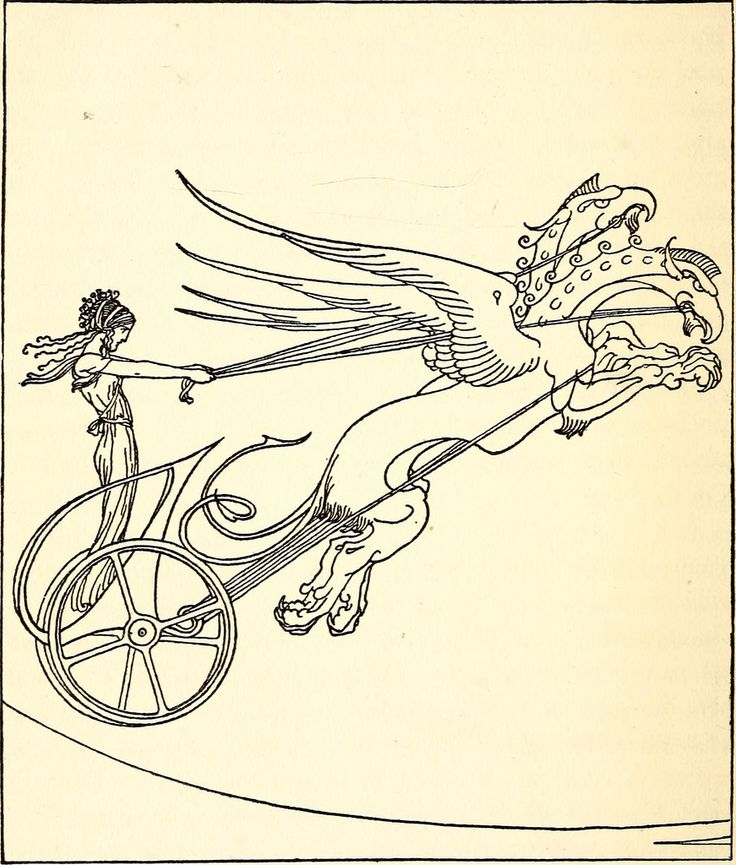
Greek and Roman mythology lies at the core of much of modern culture. For the ancients, myth was a religion, a method for addressing anxieties, a way of adding structure to the world and a means of communicating values from one generation to the next. For centuries, myth has been a favorite subject matter for authors and artists of all types. This course investigates the social, religious and historical contexts of Greco-Roman myths as they appear in ancient sources as well as the theoretical lenses we might use to interpret them. Additionally, much of class will be focused not just on ancient representations of myth, but their reception in popular culture since antiquity.
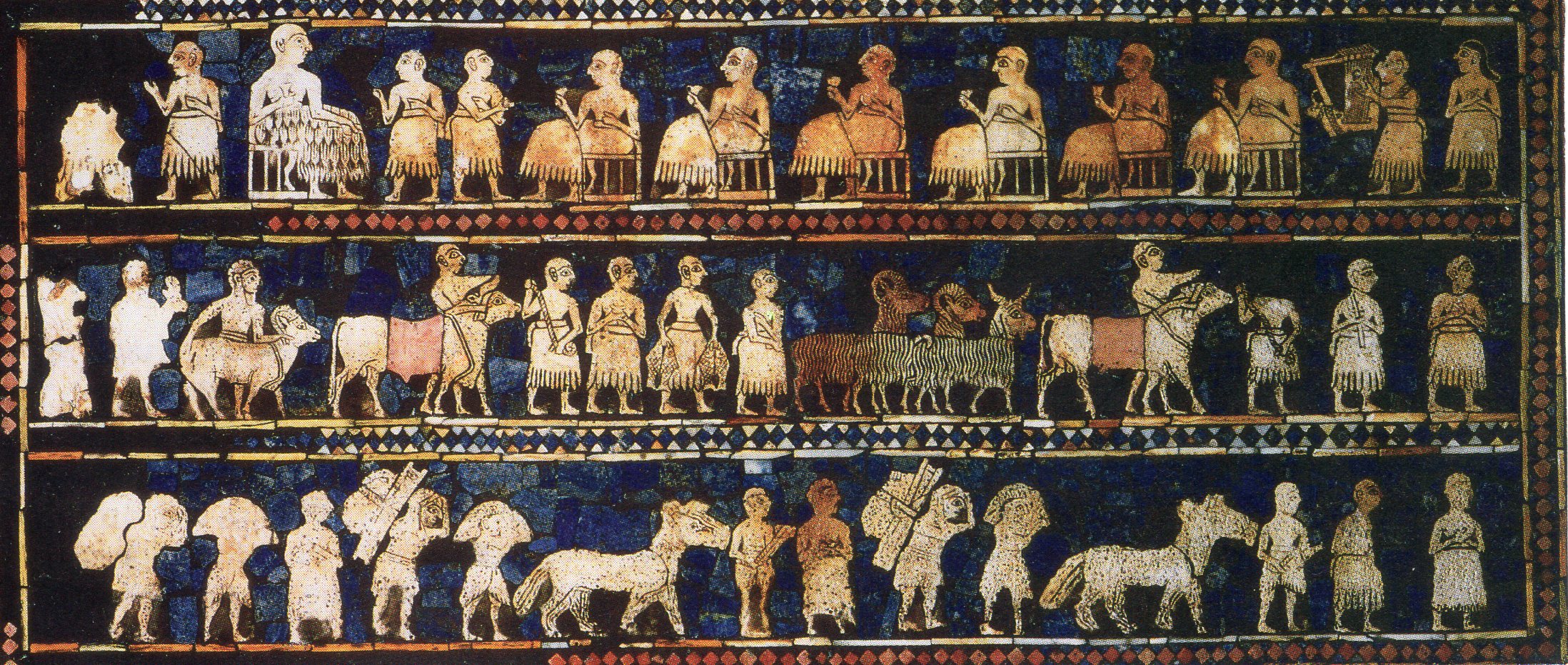
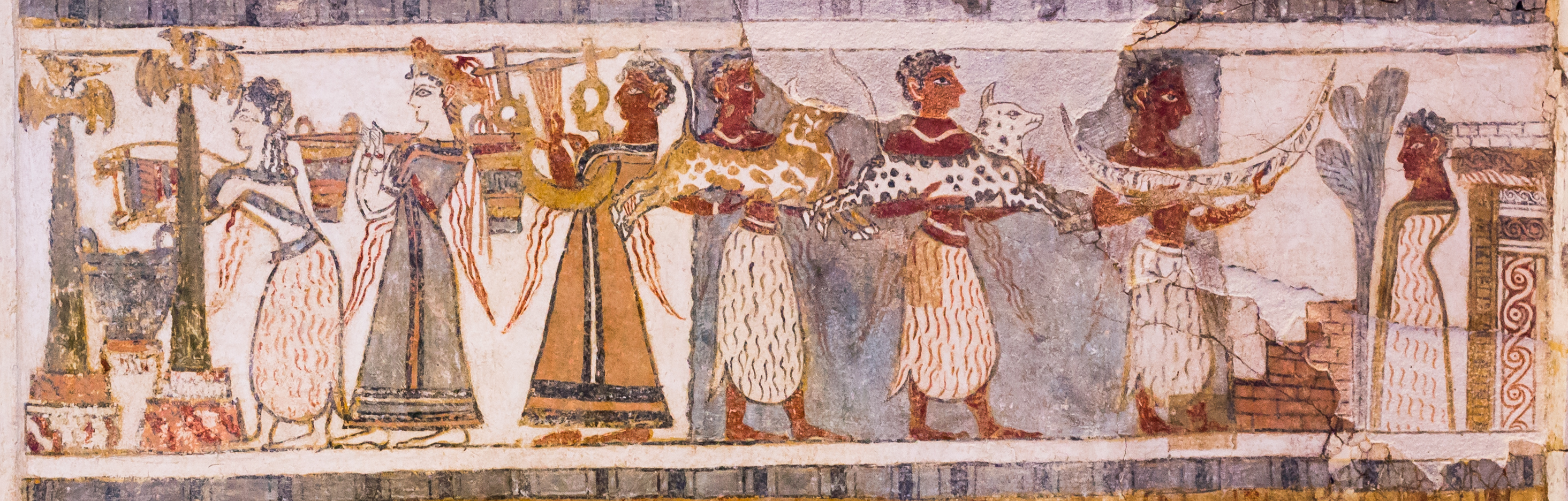
For many of us, the Mediterranean Bronze Age is associated with mythological heroes like Achilles and Hercules, or legendary events like the Trojan War. But how did the people of the Bronze Age actually live? This course surveys the archaeology of the eastern Mediterranean Bronze Age, including Egypt, Mesopotamia, Anatolia, and the Aegean, from about 3000 to 1100 BCE. We will explore not only the well-known pyramids and palaces of the period, but also the evidence for day-to-day living, from crafts production to religious ritual. We will also examine how these cultures interacted, and the Mediterranean networks that both allowed them to flourish and may have led to their downfall. Finally, we will critically consider aspects of modern archaeological work in this area and the romantic interest in the period.
The first portion of the course will cover the development of the various cultures of the eastern Mediterranean during the Early and Middle Bronze Ages (ca. 3000-1600 BCE). We will focus on the prosperous international relationships that led to a floruit in art, architecture, and material wealth for many of these groups. For the last portion of the course, we will turn our attention to the sudden collapse of these cultures at around the same time in the 12th c. BCE. Goals of the course include:
1) To gain familiarity with the art, architecture, and material culture of the eastern Mediterranean Bronze Age, and explore how modern archaeologists have romanticized these cultures.
2) To think critically about the power structures and international relationships of the period, and how these cultures cooperated or worked against each other, drawing parallels with the modern world and particularly thinking about correspondence.
3) To explore ideas about the collapse of civilizations, and the environmental and social factors that may lead to such dramatic changes.
4) To consider how archaeological narratives are constructed for popular consumption.
© Smith College 2025