
- Instructor: Alpha Kaba
- Instructor: Yun Lee
Category: 2023 Fall Semester
This is an intermediate-level contemporary dance course designed to cultivate sensitive, intelligent, powerful dancing. The intention is to expand and refine not only students’ physical capacities but also their perceptual acuity, creativity, and confidence in movement and performance.
This semester, our dancing practice will also be in relationship to Ross Gay’s The Book of Delights. Short selections of his writing will serve as companions to our dance training, as well as starting points for discussions and templates for the course’s written assignments.The content of the course is eclectic. I have developed the movement material I will share with you through my own professional collaborations and ongoing training, which has been primarily within Western, postmodern contemporary dance. Engaging principles from a variety of somatic practices (including Bartenieff Fundamentals, Klein Technique, and Body-Mind Centering) in addition to yoga, release techniques, and Contact Improvisation, the course aims, on a technical level, to sharpen anatomical and kinesthetic awareness and to refine initiation and articulation within spatially complex material. By improving dynamic alignment, increasing strength and range of motion, and refining awareness, we will seek heightened aliveness in our dancing along with efficient, judicious use of energy. The importance of attention, intention, and imagination in movement will be prioritized throughout.
Why delight?
Delight is an integral facet of my ongoing research and interest. For me, a practice of being in delight—or delighting—is a practice of noticing, following, and investigating what enlivens you, awakens you, sparks your curiosity, draws you in, hypes you up, slows you down, moves you, softens you, emboldens you, connects you, distracts you, comforts you, confuses you. Delighting entails attending to details and nuance. It requires an openness to being touched, affected, and changed by what we encounter. The proposition of this class is that a dancing practice may also be a delighting practice—a way of waking up more fully to the world.
This is not to say that everything we do will be delightful—most likely, you will not resonate with everything we cover—nor does it mean we will ignore hardship and struggle. It means only that we will work to remain in relationship to our growing understanding of delight—what it is and what it does—throughout.
This lab is a graduate level seminar and writing workshop addendum to DAN 272 Dance Anthropology: Performed Identities and Embodied Cultures. The seminar situates and integrates ethnographic study with regards to the needs of the artist-scholars of the MFA in Dance program. In its focus on autoethnographic method, the lab is designed to deepen consideration of the positionality of the artist’s practice within the contemporary dance world by placing it in dialogue with current conversations in the field of dance studies alongside an excavation of personal cultural influences. In the lab we address such questions as:
What is autoethnography?
What is the positionality of my dancing/teaching/making within a broad contemporary discourse?
How might autoethnographic research influence my dancing/teaching/making and how might my dancing/teaching/making be material for autoethnography?
How is autoethnography similar to ethnography and what makes it distinct?
Which critical theories am I drawn to and how might I apply them to my work?
How might I incorporate first-person discussion of my dancing/teaching/making within my scholarly writing?
As we read about autoethnographic methods and study examples of them throughout the semester, students identify autoethnographic definitions, strategies and styles, as well as a critical lens to apply to their 15- to 20-page dance-based autoethnography (AE), due at semester’s end. This is an autoethnography, it’s about you and your process! Here is an opportunity to weave your personal and scholarly voice, and to take charge through individualized research to continue developing skills and potential approaches toward your final MFA thesis and production.
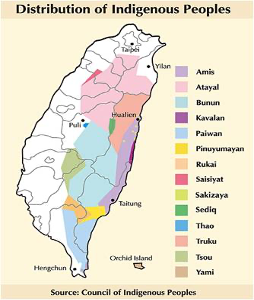
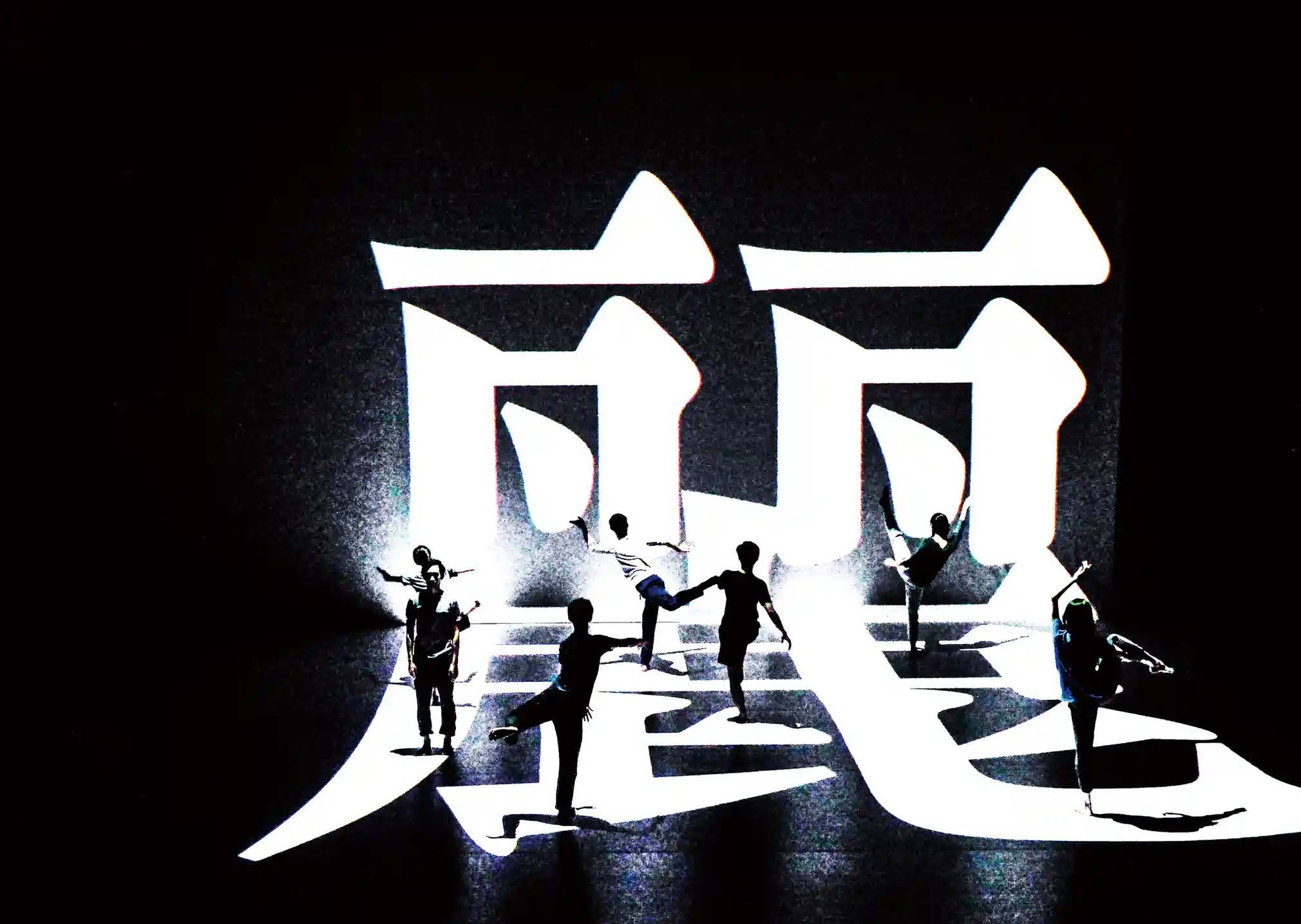
This course explores the representation and construction of Taiwanese identity through various forms of cultural expression, including literature, film, and performance arts. It aims to understand the diverse voices and perspectives present in these cultural productions. By the end of the course, students will be able to articulate their informed perspectives in response to specific questions and connect the topics discussed to their personal experiences.
The course EDC 110-01 is an introduction to and study of the American teaching profession. The students will explore their own attitudes towards learning and teaching as well as many of the essential issues and questions of the American education throughout history and in the present moment. Participation is essential, as we’ll be using and modeling many effective strategies and practices in education. Also, teacher panels, visits to a local elementary school, documentary films, the opportunity to volunteer at a local high school, and interviewing a teacher will bring forth an additional practical dimension to the course. The course is a work-in-progress: some assignments may change according to the students’ interests and the needs of our classroom community.
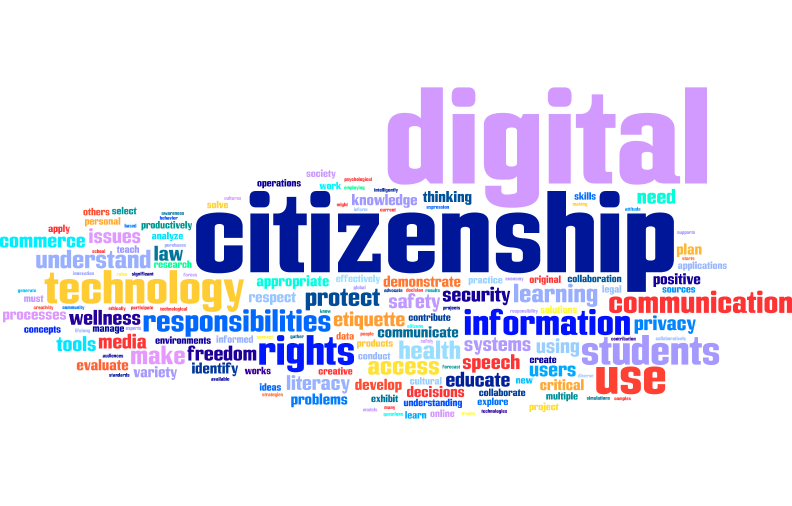
This course was developed to better prepare future educators for the responsibility of orienting students to the responsibilities of digital citizenship as well as the skills for effectively navigating in a world of increasing reliance on digital tools. It is informed by the Digital Literacy Frameworks of the Massachusetts Department of Elementary and Secondary Education (DESE).
EDC 311 Rethinking Equity and Teaching for English Learners
Students who speak languages other than English are a growing presence in U.S. schools. These students need assistance in learning academic content in English as well as in developing proficiency in English. This course is designed to provide an understanding of the instructional needs and challenges of students who are learning English in the United States. This course explores a variety of theories, issues, procedures, methods and approaches for use in English as a second language, bilingual, and other learning environments. It also provides an overview of the historic and current trends and social issues affecting the education of English Learners. Enrollment limited to 35. Priority given to students either enrolled in or planning to enroll in the student teaching program. Through this course, participants will gain
knowledge and skills to effectively instruct multilingual learners K-12. Successful
completion of the course qualifies an educator for the SEI (Sheltered English
Instruction) endorsement required for teacher licensure or re-licensure in
Massachusetts. Credits: 4 Renata Pienkawa
Normally offered each spring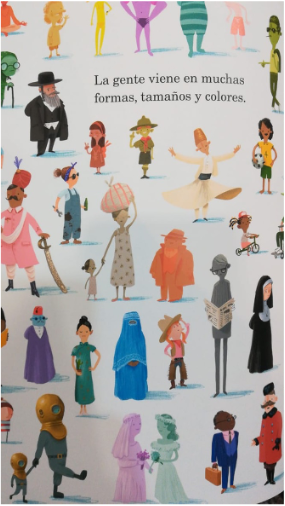
Today education is a global phenomenon with widespread implications for individuals and communities. In this seminar, we will study education as a social construct through interdisciplinary and qualitative research approaches. To do so, we will engage with current theoretical and historical perspectives of research as well as practical research exercises. Across engagements students will be asked to examine how research can reproduce or disrupt current structural inequalities and power imbalances in ways that advance social justice. By weaving opportunities to learn and deconstruct the theories shaping research and its practices, this course is designed to support students as they critically examine education across contexts, understand the complexity and plurality that currently characterizes research, and gain familiarity with its practice.
Course Acknowledgements
The knowledge, spirit, and work of many others have significantly contributed to the learning outlined in this syllabus. I explicitly would like to acknowledge the work of Professor Melissa Freeman and the Qualitative Research Program at the University of Georgia.
Welcome! This course supports the Pre-Practicum experience for students pursuing Initial Licensure.
The course meets weekly on Monday afternoons.
| Credits: 1 | Max Enrollment: 0 |
| Course Type: Laboratory | Section Enrollment: 11 |
| Grade Mode: Credit/Non Credit | Waitlist Count: 0 |
| Reserved Seats: No | |
| Coreq: EDC 345D - Elementary Curric & Methods | |
| Time/Location: Monday | 3:05 PM - 4:20 PM / Seelye 105 | Instructional Method: In-Person |
This lab accompanies the elementary student teaching internship course EDC 345D. The focus of the lab will be the examination of student teaching dilemmas for discussion and reflection. Student teachers will be introduced to key topics germane to their internship while examining the student teaching experience. The course will bring together content knowledge, professional dispositions/caring, instructional methods, assessment strategies, collaboration, diversity, classroom management, and technology. In this lab, student teachers will also reflect on teaching and their plans for future learning, and work on building the portfolio of teaching required for state licensure. Only open to students in Smith's teacher education program. Corequisite: EDC 345D. S/U only. (E) | |
© Smith College 2025